


Achieving a beautiful, healthy smile is a goal for many, but the journey to perfectly aligned teeth often requires a dental specialist’s expertise to align the teeth. Whether you’re dealing with crooked teeth, misaligned bites, or other dental and facial irregularities, understanding the role of these specialists can help you make informed decisions about your oral health care. In this comprehensive guide, we’ll delve into the world of dental specialists, their education and training, the various types available, and how they can help you maintain oral health.
Understanding the Role of a Dental Specialist for Alignment of the Teeth
A dental specialist for teeth alignment primarily focuses on correcting dental and facial irregularities to enhance function and aesthetics. Unlike a general dentist, who provides a broad range of dental care, these specialists align teeth and jaws to ensure optimal oral health and a harmonious smile.
What Sets Dental Specialists Apart?
Dental specialists undergo extensive education and training beyond dental school to hone their expertise in specific areas of dentistry. This additional training allows them to address complex issues that general dentists may refer to them. For instance, an orthodontist, one of the primary dental specialists for alignment, focuses on diagnosing, preventing, and correcting misaligned teeth and jaws.
Education and Training: The Path to Specialization
Becoming a dental specialist for teeth alignment requires dedication and rigorous training. Here’s a closer look at the journey:
- Dental School: The first step is completing dental school to earn a dental degree. Dental school typically spans four years and covers comprehensive dental medicine, including anatomy, physiology, oral diseases, and general dental treatment.
- Advanced Education: Aspiring specialists pursue advanced education in their chosen field after dental school. For orthodontists, this means enrolling in a specialized orthodontic program, which can take an additional 2-3 years. This training includes both theoretical knowledge and hands-on experience in orthodontic treatment.
- Licensing and Certification: Dental specialists must obtain licensure to practice after completing their specialised training. This often involves passing rigorous exams and, in some cases, obtaining board certification in their specialty.
- Continuous Learning: The field of dental medicine is continually evolving. Dental specialists engage in ongoing education to stay updated with the latest dental treatments and technology advancements.
Types of Dental Specialists for Alignment of the Teeth
While orthodontists are the most well-known dental specialists for tooth alignment, several other specialists play crucial roles in achieving optimal oral health and aesthetics. Understanding the different types can help you choose the right professional.
Orthodontists
Orthodontists specialize in diagnosing, preventing, and correcting misaligned teeth and jaws. They employ various techniques to straighten teeth and ensure proper bite alignment, including braces, clear aligners, and retainers.
Oral and Maxillofacial Surgeons
Oral surgeons, or oral and maxillofacial surgeons, perform surgical procedures related to the mouth, jaws, and face. They handle complex cases that may require corrective jaw surgery to address severe misalignments or structural issues.
Pediatric Dentists
Pediatric dentists focus on children’s dental care, ensuring that their teeth develop correctly. Early intervention by a pediatric dentist can prevent or address alignment issues before they become more severe.
Cosmetic Dentists
Cosmetic dentists enhance the appearance of teeth through procedures like teeth whitening, veneers, and bonding. While their primary focus is aesthetics, they often work alongside orthodontists to achieve a harmonious and attractive smile.
Periodontists
Periodontists specialize in treating gum disease and the structures supporting the teeth. Healthy gums are essential for maintaining proper tooth alignment, making their role integral to overall oral health.
Orthodontic Treatment: Aligning Teeth for Health and Beauty
Orthodontic treatment is the cornerstone of correcting tooth alignment. Here’s an overview of the various options and what to expect during the process.
Braces
Braces are the most traditional method for aligning teeth. They consist of brackets attached to each tooth and connected by wires that apply continuous pressure to move the teeth into the desired position. Modern braces come in various types, including:
- Metal Braces: Made of high-grade stainless steel, metal braces are durable and effective for treating various alignment issues.
- Ceramic Braces: These braces use tooth-colored or clear brackets, making them less noticeable than metal braces.
- Lingual Braces: Attached behind the teeth, lingual braces are invisible from the front, offering a discreet orthodontic solution.
Clear Aligners
Clear aligners like Invisalign are a popular alternative to traditional braces. They are removable, virtually invisible, and comfortable, making them an attractive option for adults and teenagers seeking discreet teeth alignment.
Retainers
After the active phase of orthodontic treatment, retainers help maintain the teeth’s new position. Depending on the patient’s needs, they are typically worn at night and may be removable or fixed.
Corrective Jaw Surgery
In severe cases of misalignment, oral and maxillofacial surgeons may perform corrective jaw surgery. This surgical procedure repositions the jaws to improve function and appearance, often in conjunction with orthodontic treatment.
The Importance of Proper Teeth Alignment
Properly aligned teeth are not just about aesthetics; they play a crucial role in oral health and function. Here’s why aligning your teeth is essential:
Enhanced Oral Health
Misaligned teeth can create areas that are difficult to clean, increasing the risk of oral diseases like cavities and gum disease. Proper alignment facilitates better oral hygiene, reducing the likelihood of these issues.
Improved Function
A correct bite ensures the teeth fit together properly, enhancing chewing efficiency and reducing undue stress on the jaw joints. Misalignment can lead to discomfort, headaches, and temporomandibular joint (TMJ) disorders.
Increased Confidence
A straight, beautiful smile can significantly boost self-esteem and confidence. It encourages social interactions and can positively impact personal and professional relationships.
Preventing Future Dental Issues
Addressing alignment issues early can prevent more severe dental problems, such as excessive wear on tooth enamel, jaw pain, and more complex oral health issues.
Dental Treatments for Teeth Alignment
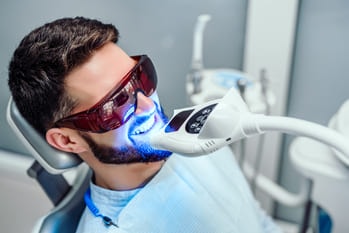 Dental specialists employ a variety of treatments to achieve optimal teeth alignment. Depending on the severity of the misalignment and the patient’s specific needs, the following treatments may be recommended:
Dental Implants
If missing teeth contribute to misalignment, dental implants can be used to replace them. Implants provide a stable foundation for artificial teeth, helping to maintain the jaw’s structure and prevent surrounding teeth from shifting.
Dental Surgery
In cases where orthodontic treatment alone isn’t sufficient, dental surgery may be necessary. Procedures like tooth extraction or jaw realignment can create the conditions for effective teeth alignment.
Root Canals
When misaligned teeth have led to decay or infection, a root canal may be required to save the affected tooth. Maintaining natural teeth is preferable whenever possible, as it supports overall dental health.
Cosmetic Dentistry
Cosmetic dentistry procedures, such as veneers and bonding, can complement orthodontic treatments by enhancing the appearance of teeth, making the alignment more aesthetically pleasing.
Choosing the Right Dental Specialist
Selecting the appropriate dental specialist is crucial for successful teeth alignment. Here are some factors to consider when making your choice:
Credentials and Experience
Ensure that the specialist is a licensed dentist with the necessary qualifications and experience in orthodontic treatment. Board certification and positive patient reviews can indicate a specialist’s proficiency.
Communication and Comfort
A good dental specialist should communicate clearly, explaining treatment options and what to expect during the process. Feeling comfortable with your specialist is essential for a positive treatment experience.
Comprehensive Care
Some specialists offer a range of services, allowing for comprehensive care under one roof. For example, an orthodontist who collaborates with oral surgeons and pediatric dentists can provide holistic treatment for complex cases.
Location and Accessibility
Consider the location of the specialist’s practice and the convenience of appointment scheduling. Accessibility can impact your ability to adhere to treatment schedules and maintain regular visits.
Maintaining Healthy Teeth After Alignment
Maintaining the desired teeth alignment is essential for lasting results once you’ve achieved the desired teeth alignment. Here are some tips to ensure your teeth stay straight and healthy:
Good Oral Hygiene Practices
Maintaining good oral hygiene is fundamental. Brush your teeth at least twice a day, floss daily, and use an antiseptic mouthwash to keep your mouth clean and free from plaque buildup.
Regular Dental Health Check-ups
Schedule regular visits to your general dentist or dental professional for check-ups and cleanings. These appointments help monitor your oral health and address any issues promptly.
Wearing Retainers
After orthodontic treatment, wearing retainers as prescribed helps maintain teeth alignment. Retainers prevent teeth from shifting back to their original positions.
Healthy Diet
A balanced diet rich in vitamins and minerals supports overall dental health. Avoid excessive consumption of sugary foods and beverages, which can lead to cavities and gum disease.
Avoiding Harmful Habits
Refrain from habits that can damage teeth alignment, such as nail-biting, chewing on hard objects, or using teeth as tools to open packages.
Cosmetic Dentistry and Teeth Alignment
Cosmetic dentistry is complementary in enhancing the appearance of your aligned teeth. Procedures like teeth whitening can make your smile even more radiant, while veneers and bonding can correct minor imperfections.
Teeth Whitening
Brightening your teeth through professional whitening treatments can enhance the overall appearance of your smile. Combined with aligned teeth, a whiter smile can significantly boost your confidence.
Veneers and Bonding
Veneers are thin shells placed over the front surface of teeth to correct discoloration, chips, or gaps. Bonding involves applying a tooth-colored resin to repair minor flaws. Both procedures can enhance the aesthetic results of orthodontic treatment.
Dealing with Common Dental Issues During Alignment
While undergoing teeth alignment treatment, you may encounter common dental issues. Addressing these promptly ensures a smooth and effective treatment process.
Gum Disease
Gum disease can complicate orthodontic treatment by causing inflammation and infection in the gums. Maintaining good oral hygiene and seeking treatment for gum disease is crucial during alignment therapy.
Wisdom Teeth
The emergence of wisdom teeth can affect tooth alignment. In some cases, wisdom teeth may need to be removed to prevent overcrowding and ensure the stability of the orthodontic results.
Missing Teeth
Addressing missing teeth is essential for proper alignment. Dental implants or bridges can replace missing teeth, preventing surrounding teeth from shifting and maintaining the integrity of your bite.
The Role of General Dentists and Dental Specialists
 While general dentists provide essential oral health care, dental specialists are vital in addressing specific dental issues. General dentists often collaborate with specialists to offer comprehensive care tailored to each patient’s needs.
Collaboration for Comprehensive Care
A general dentist can identify alignment issues during routine check-ups and refer patients to a dental specialist for tooth alignment. This collaboration ensures that patients receive specialized treatment for their dental and facial problems.
Preventive Care and Early Intervention
General dentists emphasize maintaining healthy teeth through preventive care. Early detection of misalignment allows for timely intervention by specialists, preventing more severe issues in the future.
The Impact of Oral Health on Overall Well-being
Good oral health is closely linked to overall health and well-being. Proper teeth alignment contributes to better oral function, reducing the risk of complications like tooth decay, gum disease, and jaw pain. A healthy smile can also positively impact mental and emotional health by boosting self-esteem and confidence.
Connection Between Oral Health and Systemic Health
Poor oral health has been linked to various systemic conditions, including heart disease, diabetes, and respiratory infections. Maintaining proper teeth alignment and overall oral hygiene supports better systemic health.
Psychological Benefits
A confident smile can enhance social interactions and improve mental well-being. Addressing alignment issues through specialized dental care can lead to significant psychological benefits.
Innovations in Dental Alignment Treatments
Advancements in dental technology have revolutionized teeth alignment treatments, making them more effective, comfortable, and aesthetically pleasing.
3D Imaging and Digital Orthodontics
3D imaging and digital orthodontics allow for precise planning and customization of treatment. These technologies enable dental specialists to create accurate models of your teeth, ensuring tailored and effective alignment solutions.
Clear Aligners and Removable Appliances
The development of clear aligners has provided a discreet alternative to traditional braces. These removable appliances offer flexibility and comfort, making them popular among adults and teenagers.
Temporary Anchorage Devices (TADs)
Temporary Anchorage Devices (TADs) are small implants that provide additional support during orthodontic treatment. They help achieve precise tooth movements, especially in complex cases.
The Future of Teeth Alignment: Trends and Predictions
The future of teeth alignment is poised for continued innovation, with emerging trends focusing on enhancing patient experience and treatment outcomes.
Personalized Orthodontic Treatment
Advances in genetic research and personalized medicine are paving the way for tailored orthodontic treatments. Understanding individual genetic profiles can help dental specialists more effectively predict and address alignment issues.
Integration of Artificial Intelligence
Artificial intelligence (AI) is integrated into orthodontics to improve diagnostic accuracy and treatment planning. AI-powered tools can analyze dental images, predict treatment outcomes, and optimize treatment protocols.
Minimally Invasive Procedures
The trend towards minimally invasive procedures aims to reduce discomfort and treatment time. Innovations like self-ligating braces and advanced materials make teeth alignment treatments faster and more comfortable.
Choosing the Right Treatment Plan
Selecting the appropriate treatment plan is essential for achieving the desired teeth alignment. Dental specialists consider various factors when designing a personalized plan that addresses your needs.
Comprehensive Evaluation
A thorough dental and facial structure evaluation is conducted to identify alignment issues and underlying causes. This includes dental x-rays, 3D imaging, and clinical examinations.
Customized Treatment Options
Based on the evaluation, dental specialists offer customized treatment options that align with your goals, budget, and lifestyle. Whether you opt for traditional braces, clear aligners, or a combination of treatments, the plan is tailored to ensure optimal results.
Monitoring and Adjustments
Regular monitoring allows dental specialists to track progress and make necessary adjustments. This ensures that the treatment remains effective and any issues are addressed promptly.
The Cost of Teeth Alignment Treatments
 Understanding the cost of teeth alignment treatments is essential for planning and budgeting. The expenses can vary based on the type of treatment, duration, and the complexity of your case.
Factors Influencing Cost
- Type of Treatment: Traditional braces, clear aligners, and surgical interventions each have different costs.
- Duration of Treatment: Longer treatment periods may incur higher costs.
- Specialist’s Expertise: Highly experienced specialists may charge more for their services.
- Geographic Location: Costs can vary based on the region and the specialist’s practice location.
Insurance Coverage
Some dental insurance plans cover a portion of orthodontic treatments, especially for minors. Reviewing your insurance policy and discussing coverage options with your dental specialist is essential.
Financing Options
Many dental practices offer financing options to help manage the cost of treatment. These may include payment plans, dental loans, or partnerships with third-party financing companies.
Frequently Asked Questions (FAQs)
What is the difference between an orthodontist and an oral surgeon?
An orthodontist specializes in correcting teeth and jaw alignment using braces, aligners, and other treatments. An oral surgeon focuses on surgical procedures related to the mouth, jaws, and face, such as corrective jaw surgery and tooth extractions.
At what age should I consider teeth alignment for my child?
Early evaluation by a pediatric dentist is recommended around age 7. This allows for identifying potential issues and timely intervention to guide proper dental development.
How long does orthodontic treatment typically last?
The duration of orthodontic treatment varies depending on the complexity of the case. On average, treatment can last 12 to 24 months, but some cases may require shorter or longer periods.
Are clear aligners as effective as traditional braces?
Clear aligners like Invisalign are effective for many alignment issues, particularly mild to moderate cases. However, more complex cases may require traditional braces or a combination of treatments for optimal results.
What can I expect during my first visit to a dental specialist for alignment?
During your first visit, the specialist will conduct a comprehensive evaluation, including dental X-rays, 3D imaging, and an examination of your bite and jaw alignment. Based on this assessment, they will discuss potential treatment options tailored to your needs.
Conclusion
Aligning your teeth is more than just achieving a stunning smile; it’s about enhancing your oral health, improving function, and boosting your confidence. A dental specialist for alignment of the teeth plays a pivotal role in this transformative journey, offering expert care and personalized treatment plans to address your unique dental needs.
Whether you’re considering orthodontic treatments like braces or clear aligners, exploring surgical options for severe misalignments, or seeking early intervention for your child, understanding the role and expertise of dental specialists is crucial. By partnering with a skilled specialist, you can embark on a healthier, more beautiful smile that lasts a lifetime.
Remember, maintaining good oral hygiene and regular visits to your general dentist or dental professional at MyHM Dentist Kellyville clinic are essential for sustaining the results of your alignment treatments. Embrace the journey towards a perfect smile with the guidance and expertise of dental specialists dedicated to your oral health and well-being.
References
https://www.healthline.com/health/dental-and-oral-health/crooked-teeth
https://www.byte.com/community/resources/article/teeth-alignment?srsltid=AfmBOopWo39ScabzlDMJm-7IVIKDDz-u_zP1RFeu3oHg8a2CdFYbqzzB
https://www.healthline.com/health/dental-and-oral-health/crooked-teeth
